Local News
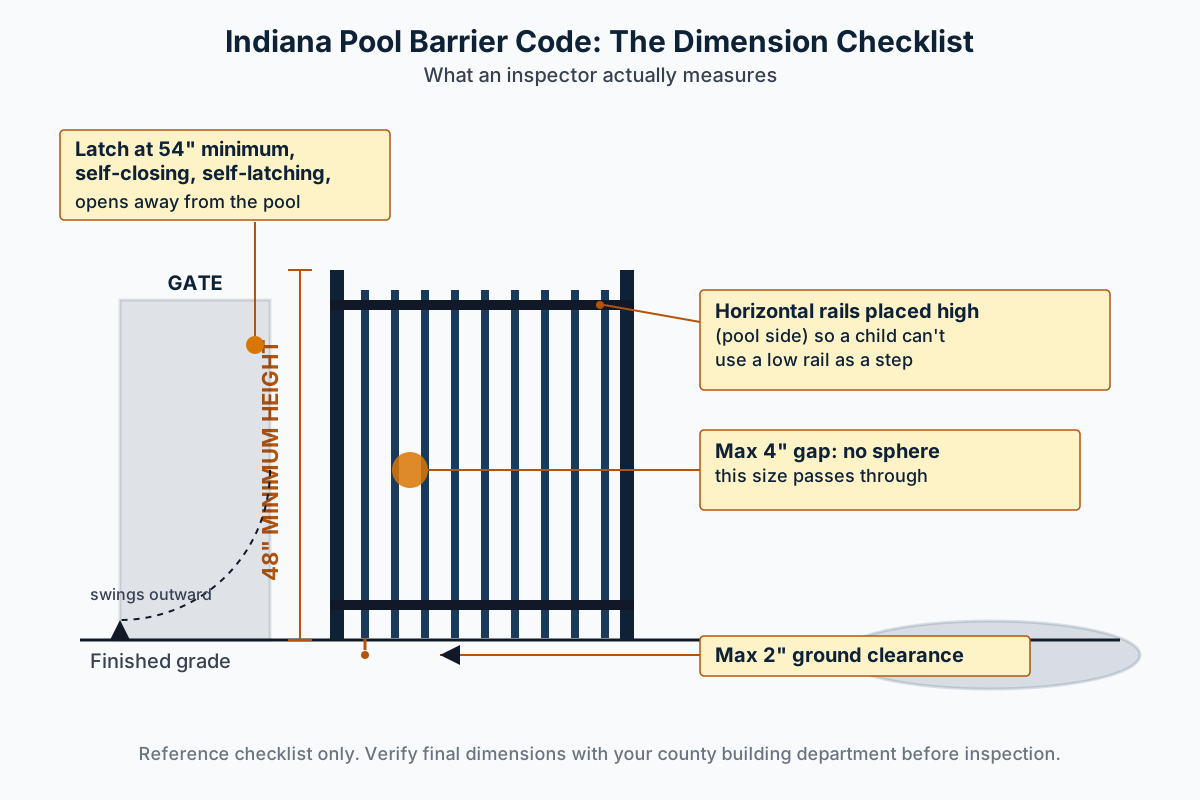
Indiana Pool Fence Requirements: What Code Actually Says
Indiana's pool barrier code covers height, gaps, gate hardware, and inspections. Here's the checklist inspectors actually use, county by county.
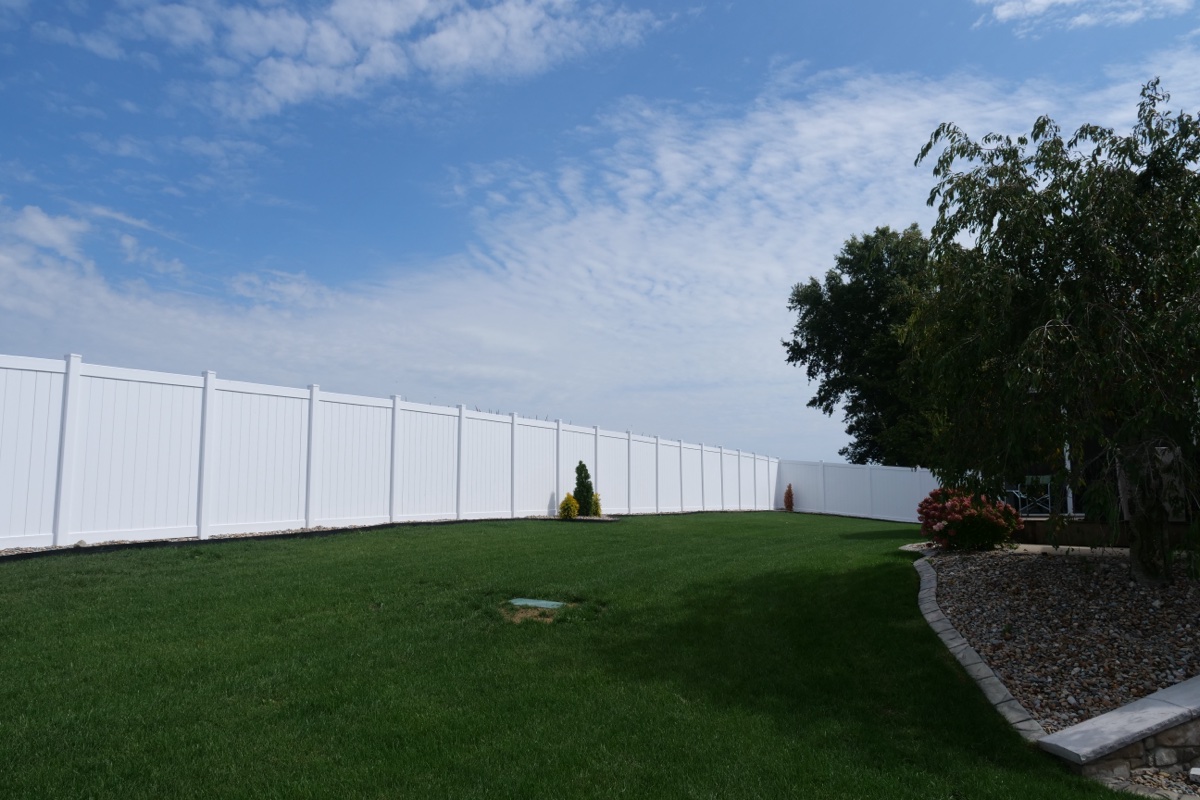
A residential fence installation in Warsaw, Indiana takes one to three days of on-site work. The full process from first phone call to finished fence takes two to four weeks, depending on permit turnaround, material availability, and the time of year.
Most of that time isn’t construction. It’s preparation: pulling the permit, getting utilities marked, confirming property lines, and scheduling the crew. Homeowners who understand what happens before the crew shows up avoid delays and surprises.
Here’s the full sequence from start to finish.
Every fence project starts with a site visit. We walk the planned fence line, check the soil, note the grade changes, identify any obstacles (trees, sheds, utility boxes, drainage features), and talk through what you want the fence to do.
This visit usually takes 30 to 45 minutes. We measure the run, count the gates, and discuss material options. For most residential properties in Warsaw and Kosciusko County, we’re looking at vinyl, wood, or chain-link. Each one has different post requirements and cost structures.
We provide a written estimate within two to three business days. The estimate includes materials, labor, permit fees, and concrete for post footings. No hidden line items.
If you’re not sure which material fits your situation, we have a guide on choosing the right fence for Northern Indiana weather that walks through the trade-offs.
Yes, for most installations. The City of Warsaw requires a zoning permit for new fence construction within city limits. If your property sits outside city limits but within Kosciusko County, you’ll go through the county’s planning department instead. The process is similar.
Permit cost: $25 to $75 depending on the scope. Processing time: two to five business days.
Not every fence triggers a permit. Decorative garden fencing under a certain height may be exempt. Any fence over four feet tall, or any fence along a property line, requires one. When there’s any question, we confirm before we dig.
Permit requirements vary by municipality:
We pull permits as part of our standard service across every municipality we serve. The process adds a few days to the timeline but prevents code violations and neighbor disputes down the road.
Setbacks define the minimum distance between your fence and the property line, the street, or neighboring structures. In Warsaw:
The specific numbers depend on your lot’s zoning designation. R-1, R-2, R-3, and commercial zones each have different setback tables. We pull the correct setbacks from the zoning office as part of every quote.
Indiana law requires you to call 811 at least two full business days before any digging. This is non-negotiable.
The 811 call triggers utility companies to come out and mark the location of buried gas lines, water lines, electric cables, fiber optic, and sewer lines on your property. They mark them with colored paint or flags. The service is free.
The call has to come from the property owner or their authorized agent. It takes about five minutes. The locate is valid for 20 calendar days.
Why this matters for fence installation specifically: Fence posts go 36 to 42 inches into the ground in Northern Indiana. That’s deep enough to hit gas lines, water mains, and buried electric. Hitting a gas line is a safety emergency. Hitting a water line floods the dig site and adds days and cost to the project. Hitting buried electric can be fatal.
We will not start digging without a valid 811 locate on file. If the marks have expired, we wait for a re-mark. No exceptions.
This step is one of the reasons we recommend starting the process two to four weeks before your target installation date. The 811 turnaround is usually three to five business days, but it can run longer in spring when every contractor in the county is requesting locates at the same time.
Once the permit is approved and utilities are marked, the final preparation falls mostly on the homeowner:
Walk the fence line. Walk it after you’ve confirmed the property lines, not before. Note anything the crew needs to work around: sprinkler heads, landscape lighting, drain pipes, garden beds. Point these out during the site visit or call us before the install date.
Clear the fence line. Move patio furniture, garden tools, planters, and anything else within three to four feet of where the fence will go. The crew needs room to work, and digging throws soil. Plants and objects close to the line will get dirty or damaged.
Talk to your neighbors. This isn’t a legal requirement, but it prevents problems. If the fence is going on or near the property line, a two-minute conversation with your neighbor before construction starts is worth more than a property line dispute after.
Confirm access. The crew needs to get materials to the fence line. If the only access is through a side gate that’s too narrow for post bundles, we need to know in advance. For rear-yard fences with no side access, we may need to stage materials in the front yard and carry them through.
A standard residential fence installation in Warsaw takes one to two days. A full perimeter fence on a larger lot with multiple gates can take three days.
Layout and marking. The crew marks exact post locations along the fence line. Post spacing depends on the material: 6 to 8 feet for vinyl, 8 feet for standard wood, and 10 feet for chain-link. Gate locations get marked with larger post positions.
Post holes. Each hole goes 36 to 42 inches deep. In Northern Indiana, this depth gets below the frost line and prevents heave. The crew uses a power auger for most holes. Rocky soil or tight access points may require hand digging.
Post setting. Posts go into the holes and get set in concrete. Gate posts and terminal posts (corners and ends) go in first because they define the fence line. The concrete needs to set before panels go up. In warm weather, we can usually start hanging panels the same day. In cooler conditions, we may set posts on day one and return for panels on day two.
Panel and rail installation. Fence panels or rails attach to the set posts. Vinyl panels slide into routed posts. Wood rails get fastened with galvanized hardware. Chain-link fabric gets stretched and tied to the framework.
Gate hanging. Gates go in last. They’re the most precision-dependent part of the installation. Hinges need to be plumb and level so the gate swings freely and latches correctly. A gate that drags or doesn’t latch is a gate that was hung on a post that isn’t plumb.
Cleanup. The crew removes excess concrete, backfills around posts, cleans up any soil from augering, and hauls away packaging and debris. We leave your yard clean.
Rain doesn’t necessarily stop fence installation, but heavy rain or saturated ground can. Augering in mud creates sloppy holes that don’t hold posts well. Concrete doesn’t cure properly if the hole is full of water.
Light rain is workable. Standing water in post holes is not. If we need to delay for weather, we’ll call you the morning of the scheduled install. Spring in Northern Indiana means weather delays are a real possibility, which is another reason to start the process early.
May through September is the best window. Dry soil, mild temperatures, and good concrete curing conditions. October works if the ground hasn’t started freezing.
March and April are when most homeowners start thinking about fencing, and they’re when our schedule fills fastest. If you want a spring installation, reach out in January or February. The permit, 811 locate, and scheduling all take time, and the contractors who are booked first get the best weather windows.
Winter installation is possible but harder and more expensive. Frozen ground makes post holes difficult to dig. Concrete cures slowly in cold temperatures. We do install fences between November and February when conditions allow, but it takes longer and may cost 10 to 15% more due to the extra labor.
Planning for a specific event? If you need the fence done before a graduation party, a home sale, or before your new dog arrives, work backward from that date. Give us at least four weeks, and six during the spring busy season.
Fence installation cost in the Warsaw area depends on five main variables:
Material. Chain-link is the least expensive. Wood is mid-range. Vinyl and ornamental metal cost more upfront. We break down the long-term math in our vinyl vs. wood comparison.
Linear footage. More fence costs more. A typical backyard enclosure runs 100 to 200 linear feet. A full-perimeter fence on an acre lot can run 500 or more.
Number and size of gates. Each gate adds cost for heavier posts, hardware, and labor. Double gates for vehicle or equipment access cost significantly more than a single walk gate.
Terrain. A flat, level lot is straightforward. A sloped lot requires stepped panels or racked (angled) panels, both of which add labor and material. Lots with significant grade changes may need retaining work before the fence goes in.
Soil conditions. Sandy soil near Plymouth needs bigger footings. Clay near Elkhart drains poorly and takes longer to dig. Lakefront properties on Wawasee, Tippecanoe, or Winona Lake often need deeper posts and larger-diameter footings due to soft, wet soil.
For a specific number on your property, request a free estimate. We measure the site, assess the conditions, and give you a written quote.
You can also browse our completed projects and gallery to see finished installations on properties across the area.
Most fence installations in Warsaw require a zoning permit from the city. The permit costs $25 to $75 and takes two to five business days. Properties outside city limits go through Kosciusko County’s planning office. We handle permit applications for our customers as part of every installation.
One to three days of on-site work, depending on the size of the project. The full process from first call to finished fence takes two to four weeks once you factor in the site visit, permit, utility locate, and scheduling.
Front yard fences are typically limited to four feet. Rear and side yard fences can go to six feet in most residential zones. Corner lots have additional restrictions for traffic visibility. Your specific limits depend on your property’s zoning designation.
May through September for the best conditions. Start the process in January or February if you want a spring installation. Our schedule fills fast once the weather breaks, and permits and utility locates each add days to the timeline.
You can, but confirm the line location with a property survey first. Indiana doesn’t require neighbors to share fencing costs, but talking with them before construction starts prevents most disputes. We recommend having your survey on hand before the site visit.
At minimum 36 inches, and 42 inches is better. Northern Indiana’s frost line reaches 36 inches in a typical winter. Posts set shallower than that will heave as the ground freezes and thaws. We set every post at 36 to 42 inches in concrete footings as standard practice.
Indiana's pool barrier code covers height, gaps, gate hardware, and inspections. Here's the checklist inspectors actually use, county by county.
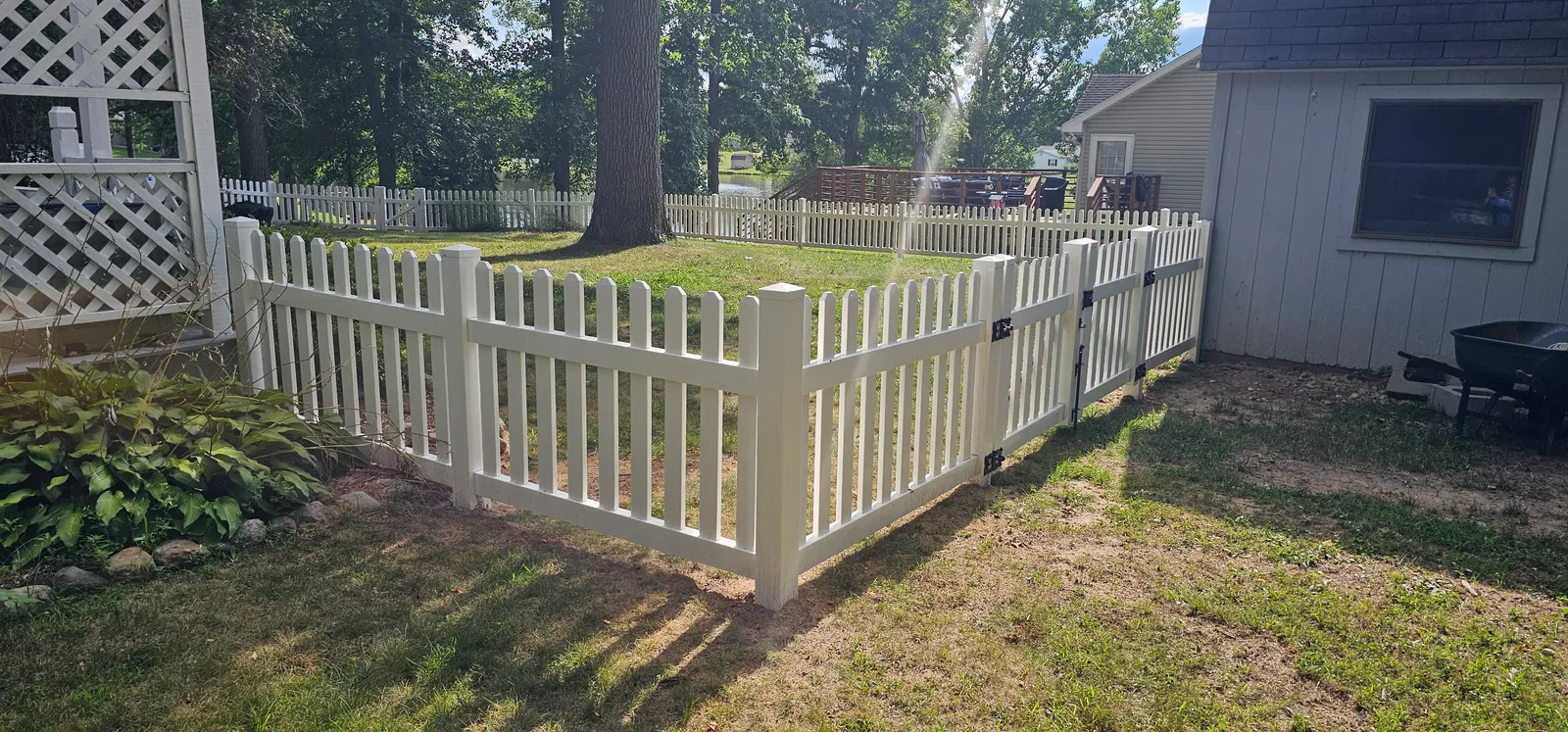
A Warsaw contractor's guide to picket fence caps, top lines, heights, spacing, and materials for front yards in Warsaw and Winona Lake, Indiana.
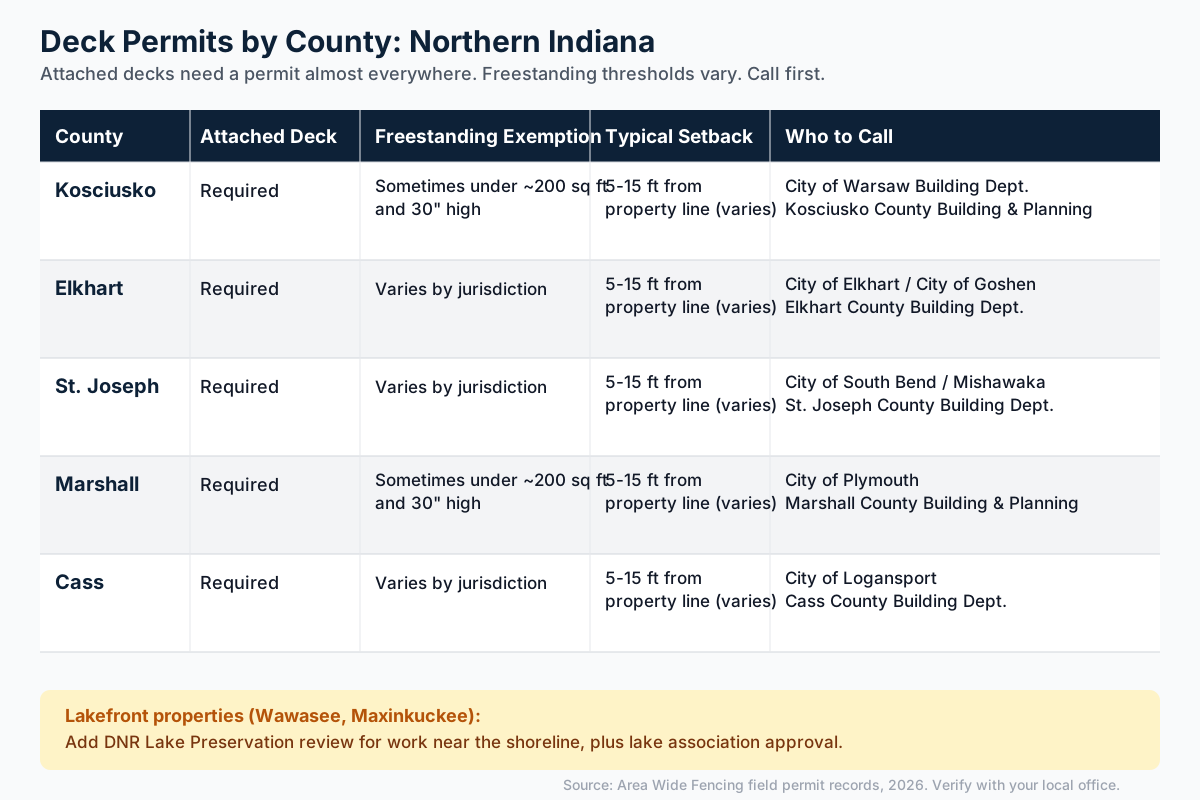
Do you need a deck permit in Northern Indiana? Usually yes. See the Indiana code baseline, county-by-county rules, and exactly who to call before you dig.
Contact Area Wide Fencing & Deck Supplies for a free on-site estimate in Northern Indiana.